The Alliance of Bioversity International and CIAT signs a five-year agreement with MATI on enhanced rock weathering in smallholder farming
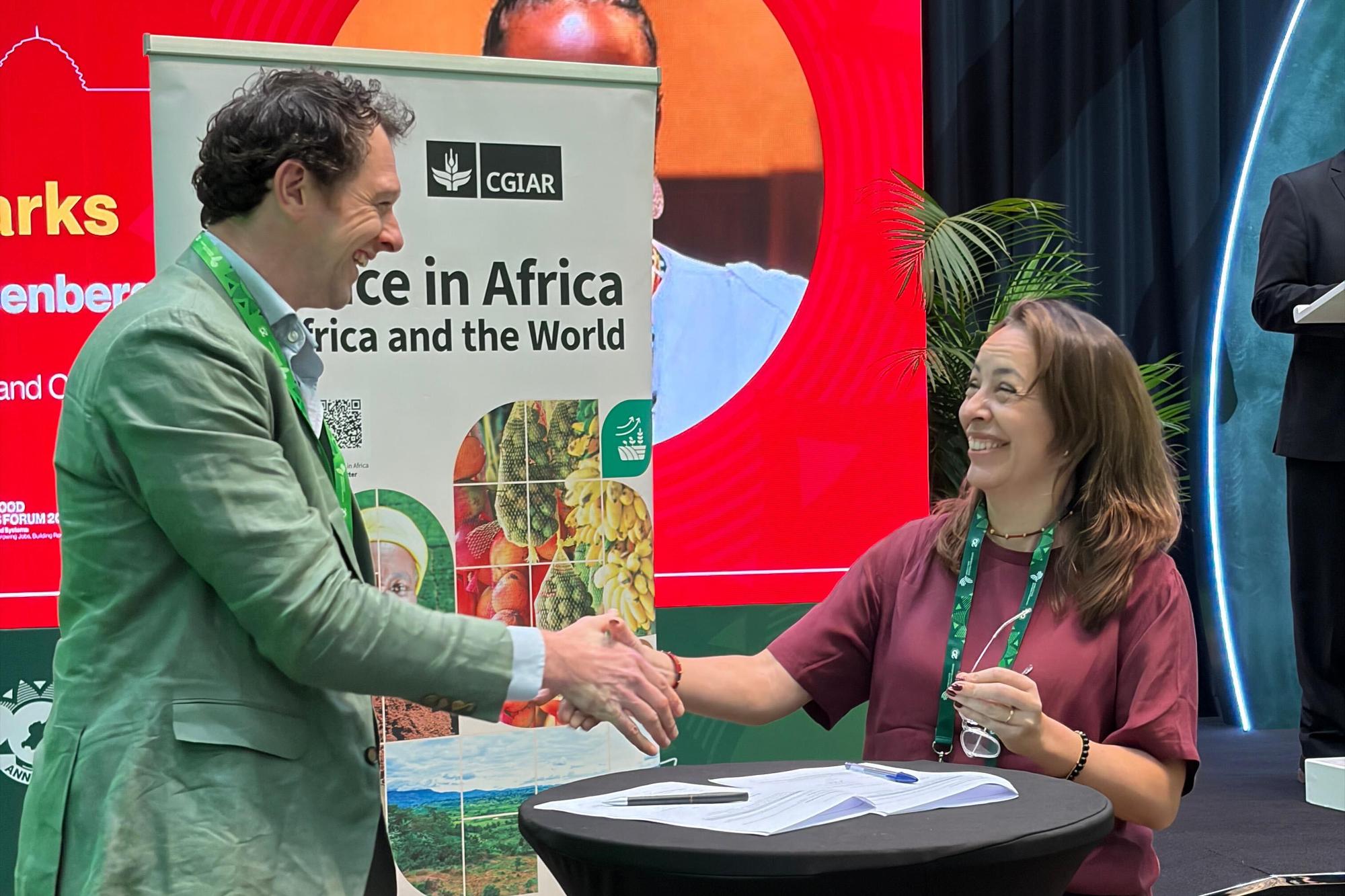
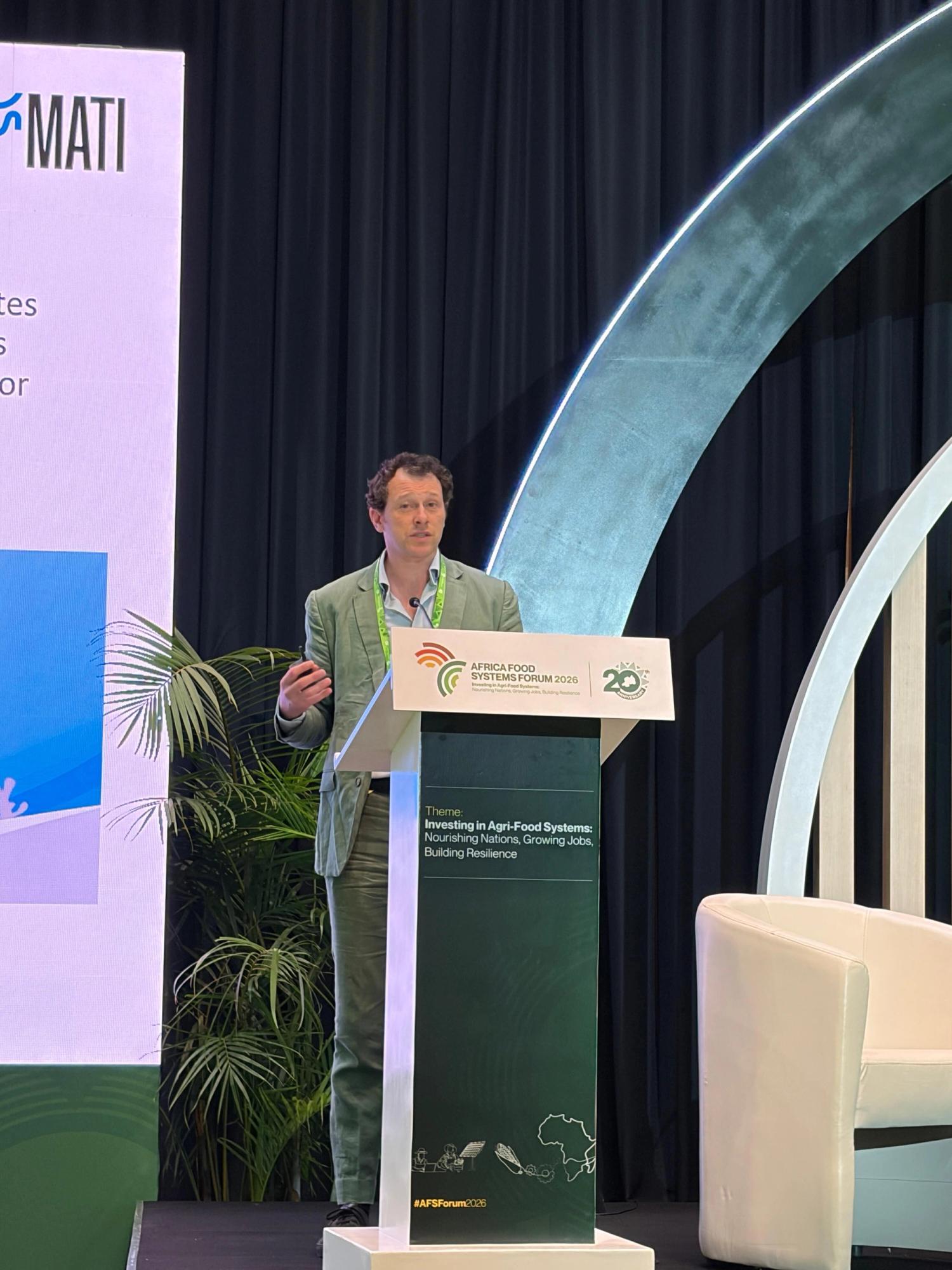
The Alliance of Bioversity International and the International Center for Tropical Agriculture (CIAT), part of CGIAR, and MATI have announced a global Memorandum of Understanding to run agronomic field trials of enhanced rock weathering in smallholder farming systems. The five-year framework covers trial design, data sharing, publication and joint fundraising, and was announced at the Africa Food Systems Forum in Kigali.
The Alliance conducts agricultural research across Africa, Asia and Latin America and the Caribbean, on the crops smallholders grow and the soils they grow them in, and its findings inform what national research systems and extension services go on to recommend. It brings that reach, and its independence, to these trials.
MATI raises farmer incomes by removing carbon. Today, MATI works in seven countries to spread natural rock dust on the fields of farmers. This raises crop yields, corrects soil acidity, releases nutrients, and delivers durable carbon removal through the process of enhanced rock weathering.
The practice, known as ERW, works on two timescales at once. As the basalt weathers it returns minerals that decades of harvests have stripped out, raises soil pH and improves nutrient availability, which the farmer sees in the following season's crop. The same reaction locks carbon dioxide away in stable mineral form for more than 10,000 years, which is what the carbon buyer pays for. Because that revenue covers the rock, the spreading and the science, the practice reaches the farmer free and without subsidy.
Why the partnership
The agronomic case for ERW has been built largely in temperate, commercial agriculture. Far less has been published on the tropics, where soils are older, more acidic and more weathered, and where the agronomic response should in principle be strongest. Suitable basalt is widely distributed across the same regions.
MATI's own results point the same way. Across 235 paired plots in India, MATI recorded a median yield increase of about 25%. Independent replication is the step that turns results like these into a recommendation that an extension service, a ministry or a farmer organisation can act on.
Dr Wanjiru Kamau-Rutenberg, Managing Director for Africa at the Alliance of Bioversity International and CIAT, said:
"Our role is to generate independent, published evidence under the real-world conditions in which smallholder farmers operate. By working with farmers and national partners across tropical regions, we can determine where enhanced rock weathering delivers agronomic and climate benefits, where it does not, and what would be required for responsible scaling."
Under the agreement, the Alliance will lead trial design and analysis, and findings will be published whether or not they favour the practice.
Shantanu Agarwal, Founder and Chief Executive of MATI, said:
"What we're beginning to see already in Zambia is what we saw in India. This soil restoration practice raises farmer yields and increases incomes, and it's all paid for by carbon credit. CIAT's independent research will find out if these results are as scalable as we hope."
What the trials will measure
Season after season, in farmers’ own fields, the trials will track whether crushed basalt:
- Increases yields for smallholder farmers in the tropics
- Allows farmers to use fertiliser more efficiently
- Makes tired soils healthier and better at holding water
- Helps crops cope with heat and drought
- Changes the nutritional quality of the grain harvested
Degraded and acidic soils constrain yields for hundreds of millions of smallholders across the tropics. If the agronomic case holds in their conditions, ERW becomes a practice that can be recommended well beyond the fields any single company can reach.
About CIAT
The Alliance of Bioversity International and the International Center for Tropical Agriculture delivers research-based solutions that harness agricultural biodiversity and sustainably transform food systems to improve people’s lives in a climate crisis. Working with partners across Africa, Asia and Latin America and the Caribbean, the Alliance generates evidence and scales innovations to create food systems and landscapes that sustain the planet, drive prosperity and nourish people. Established in 2019 and headquartered in Rome, the Alliance is part of CGIAR, a global research partnership for a food-secure future. alliancebioversityciat.org
Media contacts:
Alliance of Bioversity International and CIAT: [Fatimata Koné, F.kone@cgiar.org]MATI: [pr@maticarbon.com]