The Science of Healthier Soils
Livelihoods, Soil Health and Resilience
Basalt has been building fertile soils for billions of years. Enhanced Rock Weathering accelerates this natural process — restoring degraded croplands by returning essential minerals to soils that have been depleted by decades of intensive farming.
For smallholder farmers in the Global South, this is not about carbon. It is about soils that produce more, crops that resist disease, and livelihoods that improve. The carbon removal follows.
The Problem:
Degraded Soils, Declining Yields
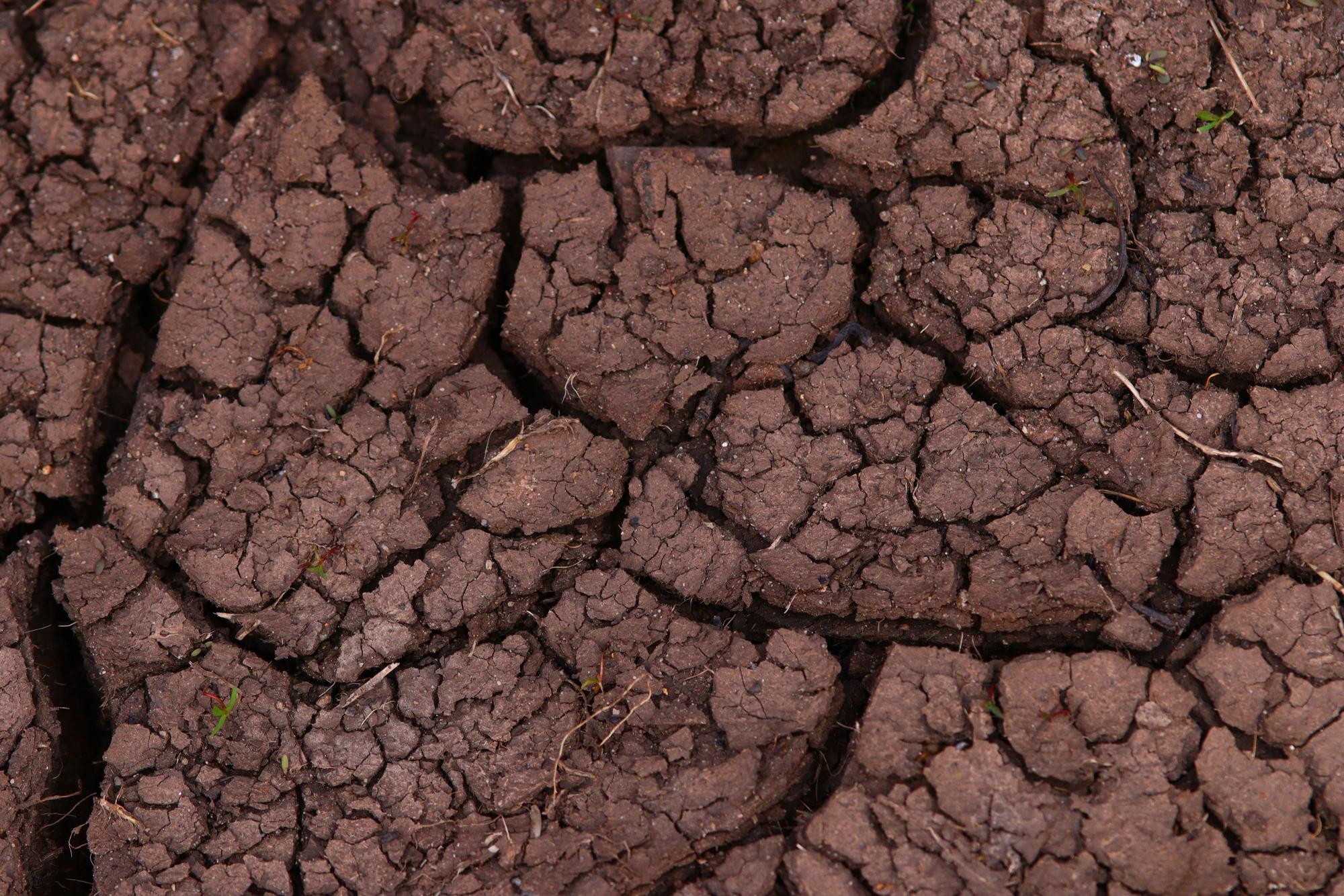
Across the tropics, decades of continuous cultivation have stripped soils of the minerals that crops need to grow. The result is a cycle that is difficult to break.
Tropical soils are particularly vulnerable. High rainfall leaches nutrients from the upper layers, and naturally acidic conditions lock up what remains, making phosphorus and other essential elements unavailable to plants. Synthetic fertilisers offer a temporary fix but are expensive, often inaccessible to smallholder farmers, and can further acidify soils over time.
Approximately 500 million smallholder farmers in the Global South grow a third of the world's food, many on soils that are severely nutrient-depleted.
How Basalt Restores Degraded Soils
Basalt is a volcanic rock rich in the minerals that depleted tropical soils lack: calcium, magnesium, potassium, phosphorus, and silicon. When finely crushed basalt is applied to farmland, it dissolves through contact with water and soil microbes, steadily releasing these nutrients into the root zone.
Soil pH correction
As basalt dissolves, it releases alkaline compounds that raise pH, unlocking nutrients already present in the soil and making newly released minerals available for uptake.
Nutrient release
Unlike synthetic fertilisers, basalt releases nutrients slowly as it dissolves. This sustained release reduces waste, lowers the risk of groundwater contamination, and provides a more consistent supply throughout the growing season.
Disease and pest resistance
When plants absorb silicon from the soil, it strengthens cell walls, thickens stems, and creates a physical barrier against insect pests and fungal infection — while also activating natural defence mechanisms.
Climate resilience
Better soil structure and aggregation means soils hold more water for longer, buffering crops against dry spells. Deeper root systems can access water and nutrients that surface soils cannot provide during drought.
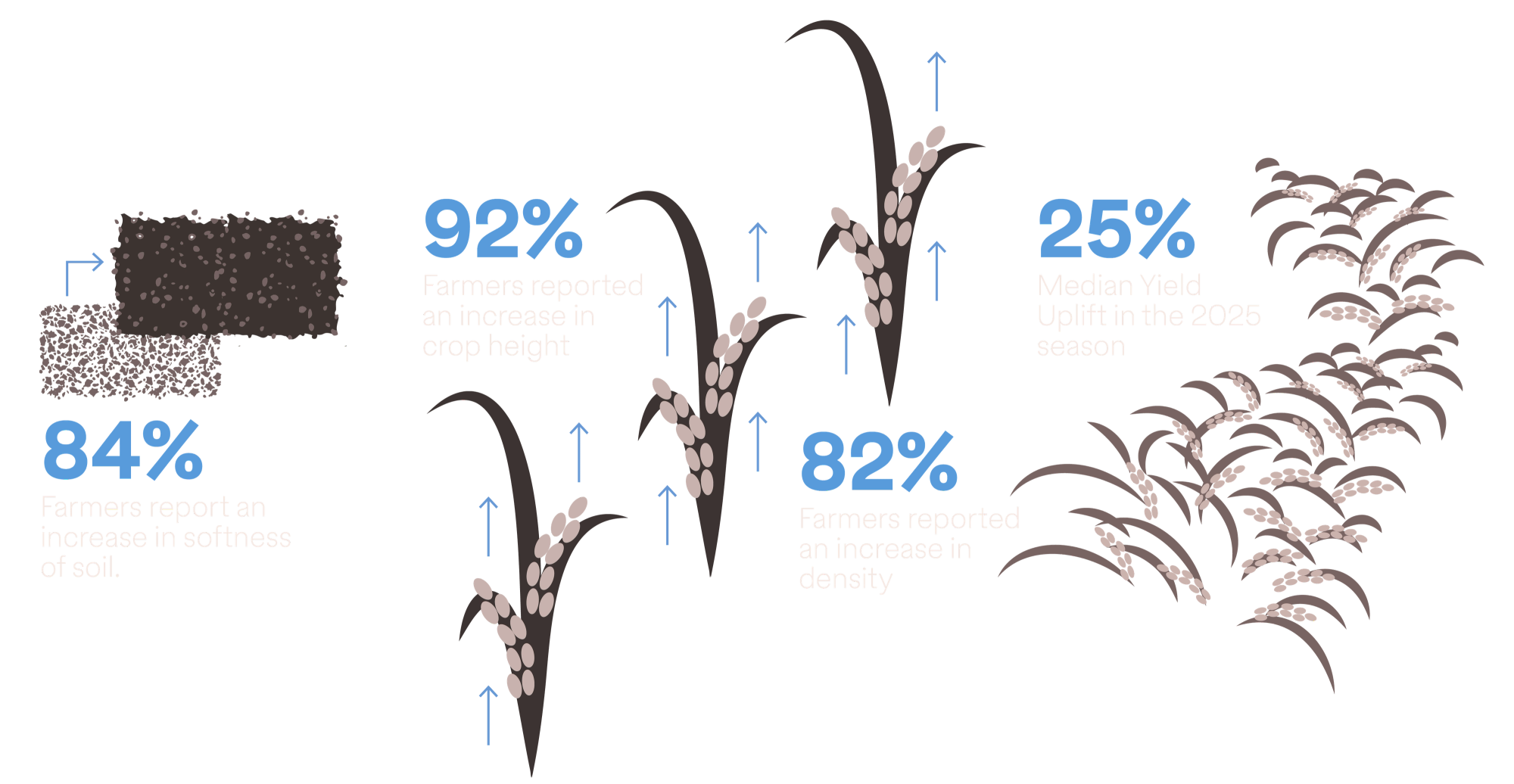
Yield Impact: The Evidence
The agronomic evidence for basalt application is growing rapidly, with results from controlled experiments, mesocosm studies, and commercial-scale field deployments.
Why Tropical Soils Respond Best
Warm temperatures and high rainfall accelerate the chemical weathering of basalt, meaning nutrients are released more quickly. Tropical soils are typically more depleted than temperate soils, so the marginal impact of mineral replenishment is larger. Many tropical soils are naturally acidic — the pH-correcting effect of basalt is especially valuable in these conditions. Tropical soils also support more active microbial communities, which assist in breaking down basalt particles and making nutrients available to plants.
Safety
Basalt is a naturally occurring rock with no synthetic additives. Field trials have consistently confirmed that crops grown on basalt-amended soils show no accumulation of potentially toxic elements including arsenic, cadmium, chromium, and nickel in grain or tissue, confirming that produce is safe for consumption.
Unlike olivine and some other silicate rocks that contain elevated levels of heavy metals, basalt has a favourable safety profile for agricultural use. This is one of the reasons it is the preferred feedstock for ERW deployment on food-producing land.